CookingTogether
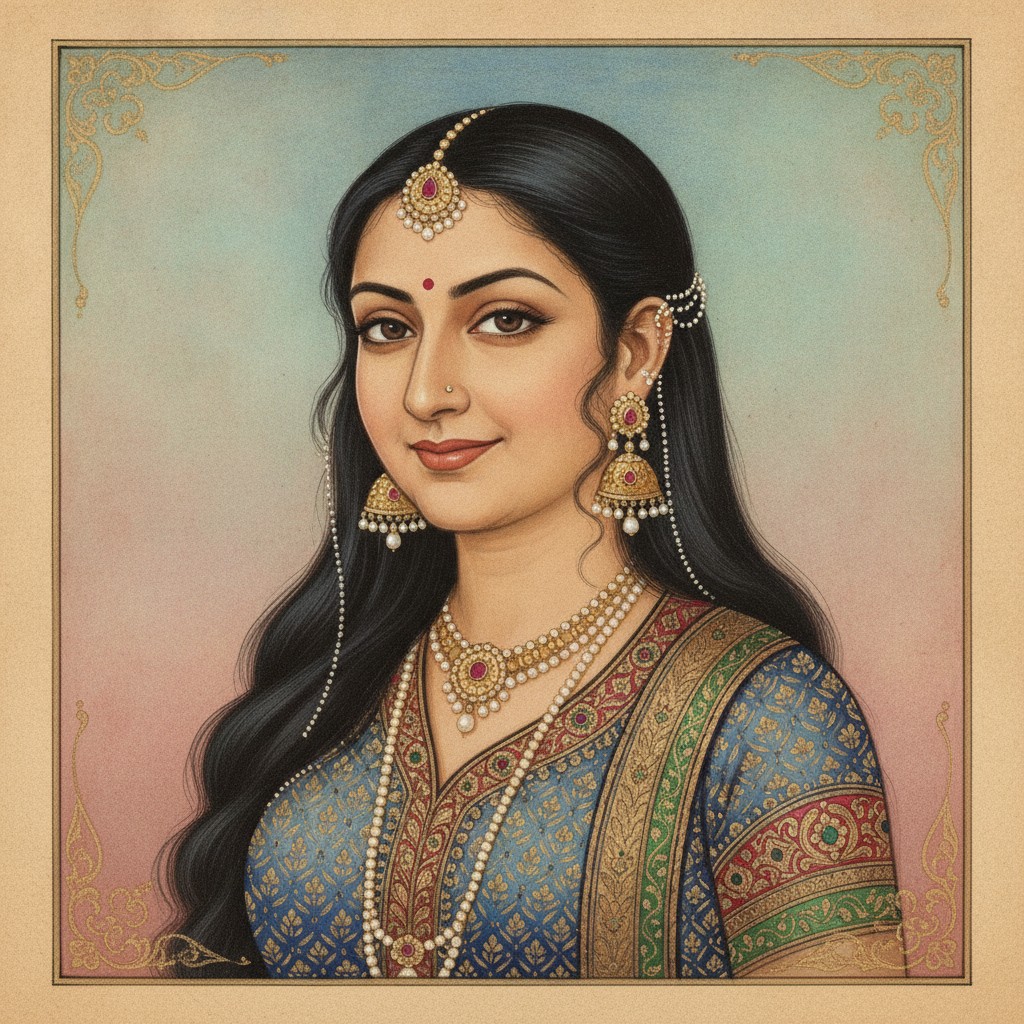
Punjabi Aloo Paratha from a Delhi Home Kitchen
The restaurant trick is ghee on the tava, not oil — it's what gives paratha that blistered, flaky crackle. Everything else is patience and a properly salted potato filling.
- Time
- 68 min
- Serves
- 6
- Difficulty
- Hard
Ingredients 13
Steps 8
Bring the flour together with warm water, adding slowly and kneading until you have a soft, pliable dough that springs back when you press it — firmer than bread dough, softer than pasta. Cover with a damp cloth and let it rest for at least 20 minutes while you make the filling.
Mash the potatoes while they're still warm so there are no lumps — cold potatoes fight you and leave chunks that'll tear the dough later. Add the green chilies, grated ginger, coriander, amchur, red chili powder, garam masala, and salt. Mix thoroughly and taste a pinch of the filling now; it should taste boldly seasoned because the dough will mute it.
Divide the dough into six equal balls and the filling into six portions. Flatten a dough ball, place a filling portion in the center, and pull the edges up and over the filling, pinching shut at the top. Roll it between lightly dusted palms to seal — if you see the filling peeking through, patch it with a small piece of dough, because an unsealed edge means a blowout on the tava.
Dust the stuffed ball with flour and roll it out gently to a circle about six inches across, turning a quarter turn after each roll. Don't press hard or the filling will split through — let the rolling pin do the work with even, light pressure.
Heat a flat tava or cast-iron skillet over medium-high until a drop of water dances and evaporates in seconds. Lay the paratha on and cook until you see small bubbles form on the surface, about 30 seconds, then flip.
Cook the second side for another 30 seconds until light golden spots appear underneath. Now spread a teaspoon of ghee across the top surface, flip again, and press gently with a spatula. The ghee is what creates the blistered, flaky layers — don't substitute oil or you'll get a flat, sad paratha.
Spread another teaspoon of ghee on the second side, flip, and press again until both sides are deeply golden with dark brown blistered patches, about a minute per side. Stack cooked parathas on a plate and keep them covered with a cloth so they stay soft and warm while you cook the rest.
Serve hot off the tava with a generous pat of white butter melting on top and mango pickle on the side. Eat with your hands — tear, dip, and don't be shy with the butter.
From Cooking Together · cookingtogether.app/recipe/8CYCj0OD3y88STAWhU9C